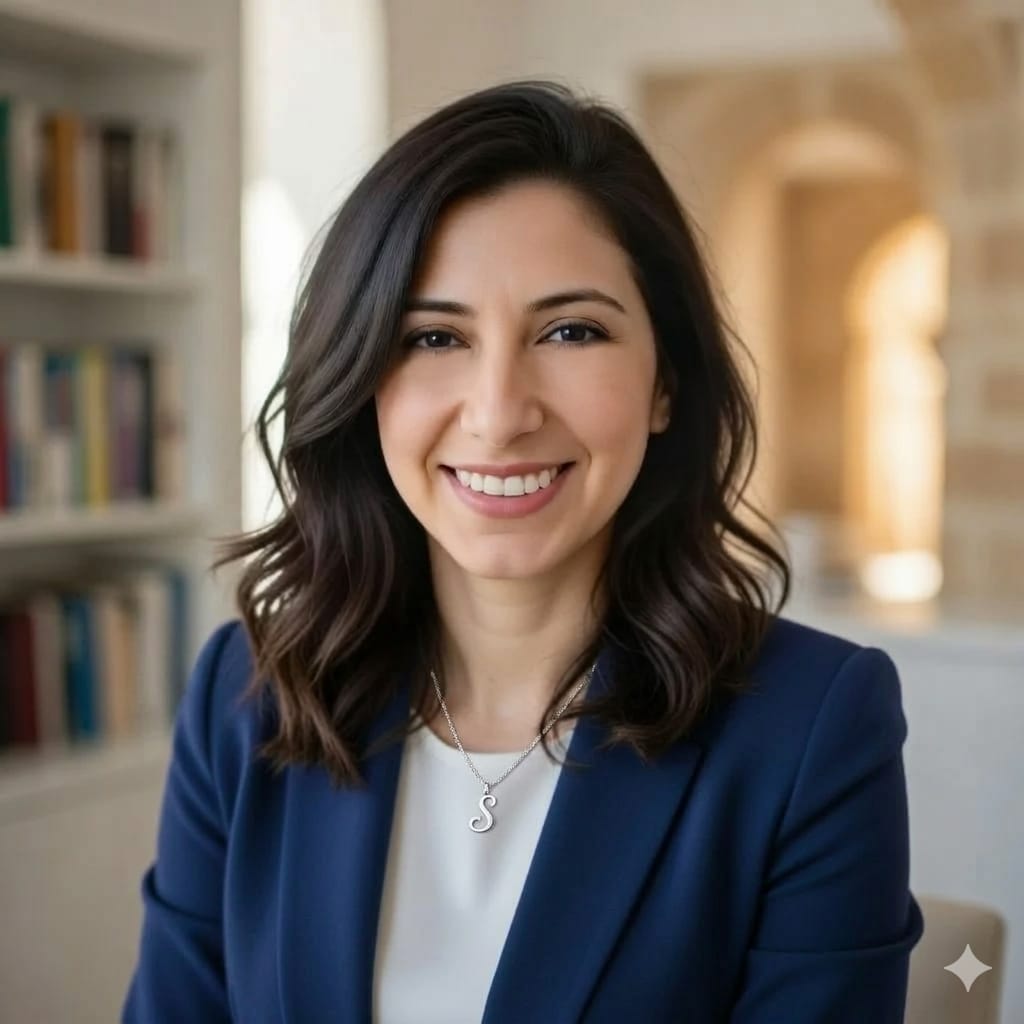
 Dr Suzanne Kobeisse
I have been teaching French privately for over twenty years, and the question I am asked most often, before we even talk about lessons, is: how long will this take? People want a number. They want to know if they are looking at six weeks or six years. I understand that completely. Time is finite and no one wants to invest it without some sense of what they are working towards.
So here is my honest answer, broken down by goal. There is no single timeline that fits everyone, but there are patterns I see again and again. Let me share them with you.
Travel basics: a matter of weeks
If your goal is to manage a holiday in France, to order food, to ask for directions, to say merci beaucoup and excusez-moi, pouvez-vous m'aider? ("excuse me, could you help me?") with confidence, then you do not need years of study. You need a few weeks of focused, practical work.
I am not talking about passive flashcard apps here. I mean sitting down with someone who can correct your pronunciation in real time, drilling the specific phrases you will actually use, and building a mental script for the situations you will encounter. Two or three lessons plus some daily practice between sessions can get a genuine beginner to a functional holiday level in four to six weeks.
Will you sound fluent? No. Will you feel embarrassed? Probably a little, at first. But French people respond warmly to anyone who makes the effort. Vous faites un effort ("you are making an effort") counts for a great deal.
Conversational French: six to twelve months
This is the goal most of my adult students come to me with. They want to have a real conversation: to catch the gist of what a French colleague is saying, to get through a dinner with their partner's French family without smiling and nodding the whole time, to read a menu and actually know what they are ordering.
Reaching that level honestly takes somewhere between six and twelve months of regular lessons, combined with consistent practice outside of sessions. One lesson a week will get you there. Two lessons a week will get you there faster. But the practice in between matters just as much as the lessons themselves.
I tell my students to spend fifteen to twenty minutes a day with the language, not grinding through grammar tables, but listening to French, speaking it aloud, noticing it. That might mean a French podcast on the commute, or reading a short article and looking up two or three words rather than every word. Immersion matters, even at low doses.
Six months is achievable for someone who is consistent and committed. Twelve months is more realistic for someone juggling a busy life who misses a few lessons here and there. Both are entirely reasonable timelines.
GCSE French: one to two years of focused work
GCSE is a specific target with specific demands. It requires breadth across reading, writing, listening, and speaking, along with the particular vocabulary domains that the exam boards test, things like family, health, travel, technology, and the environment.
For a student starting from near-zero at the beginning of Year 10, two years of school French plus private tuition is a realistic and manageable path to a strong grade. For a student who arrives at Year 11 feeling behind, one intensive year of targeted tuition can still move the needle significantly. It requires honesty about where the gaps are and discipline in closing them, but I have seen students genuinely transform their French in twelve months.
The key at GCSE level is not just learning French. It is learning how the exam tests French. Understanding that distinction makes a real difference to the final grade.
Fluent, professional French: three to five years
I want to be careful with the word "fluent" because it means different things to different people. If by fluent you mean reading a French novel for pleasure, following a French television series without subtitles, and conducting a business negotiation entirely in French, then you are looking at a multi-year commitment. Three years with consistent effort. Five years if your exposure is more occasional.
Growing up in Beirut, I had French at school every day from a young age. The language became part of how I thought, not just something I translated in my head. That kind of deep fluency takes time, and I would never pretend otherwise.
But here is what I would say to someone with that ambition: every stage of the journey is useful on its own terms. The person who reaches conversational French after six months has achieved something genuinely valuable. You do not have to wait until you are fluent to feel the benefit.
The honest variable: consistency
The biggest factor in how long French takes is not the teaching method, the textbook, or even how naturally you take to languages. It is whether you show up. Consistently. Week after week.
A student who has a lesson every fortnight and does nothing in between will take far longer to progress than someone who has a lesson every week and spends ten minutes a day reviewing what they have learned. The gap between those two students after a year is enormous.
I say this not to put pressure on anyone, but because it is the most useful thing I can tell you. Time is not the variable you can control directly. Consistency is.
If you are curious about where you might be after three or six months of lessons with me, the best place to start is a free 30-minute taster. We will talk about your goal, I will get a sense of where you are starting from, and I will give you an honest picture of what is realistic for your situation. No inflated promises.